mortgage financing and programs

Archive for the ‘Home Mortgage Tips’ Category

Can One Missed Mortgage Payment Affect Your Credit Rating? Yes! Here’s What to Do if You Miss One

Comments Off

Can One Missed Mortgage Payment Affect Your Credit Rating? Yes! Here's What to Do if You Miss OneMost people don’t know whether or not a single missed mortgage payment can have serious consequences for their credit score.

The good news is that there are things that can be done to mitigate the damage and help anyone who has missed a payment repair their credit. What are some options to help homeowners get back in the good graces of their creditors?

Own Up To The Mistake

The best thing to do is to admit that the payment was missed and immediately make amends for it. For the most part, mortgage lenders are sympathetic to the fact that people miss payments for reasons that may be beyond their control.

By calling the lender as soon as it appears that a payment may be late or not forthcoming at all, it is easier to make arrangements to roll that payment back into the mortgage or take other steps to decrease the odds of a negative remark being made on a credit report.

Don’t Let A Single Missed Payment Turn Into Multiple Missed Payments

While a single missed payment can hurt a credit score, it is important to not compound the mistake by missing more payments. In some cases, someone may decide to make up for the late payment before making any further payments.

However, that only makes the mistake worse because a borrower will be considered late on all subsequent payments. It is better to make the most current payment on time and make the late payment the secondary priority.

Hire A Third-Party If Necessary To Negotiate A Loan Modification

It is important to not let emotion get in the way of negotiating a modification to a mortgage. When a borrower hires a credit counselor or a bankruptcy attorney to talk his or her creditors, the negotiations can stay professional and on topic.

In most cases, a lender will be willing to make modifications for those who need them because it is better to get the money from the borrower willingly instead of having to go through a foreclosure proceeding.

While a missed mortgage payment can be bad news for a credit score, it is possible to make amends for the missed payment while minimizing long-term damage to a borrower’s credit score. By owning the mistake, staying current on all future payments and working with a third-party, it may be possible for a lender to forget that the missed payment ever happened.

Is Now the Time to Consider a 15-Year Mortgage? Five Reasons to Give the 15Y Another Look

Comments Off

Is Now the Time to Consider a 15-Year Mortgage? Five Reasons to Give the 15Y Another LookA 15-year fixed mortgage is, as its name suggests, a mortgage that’s paid off after 15 years. Since it amortizes fully, after that amount of time you won’t have to pay anything else. This type of mortgage has a lot of benefits, and below we’ll share just a few of them.

1) No Need For Payments After Retirement

Here it highly depends on when in life you choose to take on the mortgage. However, most people decide to take on a mortgage at around 30 years of age.

If this is the case for you, then it means you’ll be 45 years old when your mortgage will be fully paid. There will be no need to worry about having to use Social Security or pension checks to pay it off.

Another consideration is the fact that the older you are, the more your health costs will go up. Having costs like that pile up while having to make mortgage payments can be a huge problem. For that reason, not having to pay off your mortgage after retirement is a tremendous bonus.

2) Your Home Will Be Yours Sooner

You might think your house is yours the minute you step into it. However, in reality, it’s only yours after you have fully paid your mortgage off. Until then, it can be repossessed if you fail to make payments.

With a 15-year mortgage, your home will become yours in the blink of an eye. Then, you’ll have plenty of time to enjoy other things in life, knowing you already own your home.

3) You’ll Pay Less Interest

If you were to pick, say, a 30-year mortgage, there will be twice as many years in which interest will add up. This will more than double the amount you end up having to pay, as mortgage interest compounds over time.

As such, getting a 15-year mortgage will not only reduce the time you’ll pay it off; it will also reduce the amount you pay back. Saving both time and money is an amazing deal.

4) Get Lower Rates

On most 15-year mortgages, the amount you have to pay in terms of rates is usually lower than for 30-year ones. As such, you’ll be saving money in two ways. First, you’ll save by reducing the time, then, by reducing the actual rate.

5) Learn To Push Yourself

Some people fear getting a 15-year mortgage. The reason is that they think the payments will be too expensive. They think that getting a 30-year mortgage is likely a better idea.

If you can’t afford to make the payments of a 15-year mortgage, you might want to reconsider. However, if you can afford it, but you’re afraid, don’t be. Pushing yourself to achieve something you truly want is a good thing. You’ll become a stronger person, and you’ll have more reason to be proud of your achievement.

A 15-year mortgage has many benefits. The main one is simply that you’ll be able to pay it faster, which means that you won’t worry about it for long. This, in addition to the fact that you’ll be paying less are very convincing factors.

If you’d like to learn more about 15-year mortgage plans, contact your mortgage professional for more information.

An Insider’s Guide to Reducing Your Remaining Mortgage Years Through a Smart Refinance

Comments Off

An Insider's Guide to Reducing Your Remaining Mortgage Years Through a Smart RefinanceIs it always the best idea to pay off a mortgage over 30 years? While it may help a homeowner lower his or her monthly payment, it can mean paying more in interest and waiting several more years to build sufficient equity in the home.
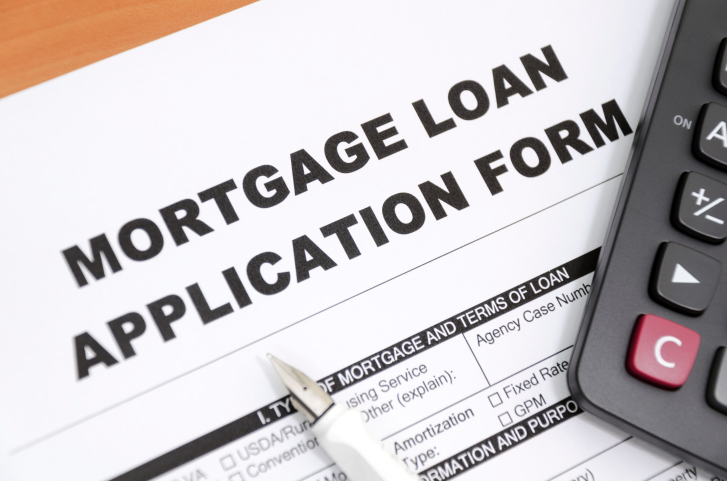
The question is…how can a homeowner reduce the amount of time it takes to pay off a mortgage by refinancing his or her loan? A few methods for reducing your mortgage term are explained below.

Refinance From A 30-Year Mortgage To A 15-Year Mortgage

For those who don’t want to wait any longer than necessary to pay off their home loan, it may be possible to refinance to a shorter-term mortgage. Instead of taking 30 years to pay off the loan, a homeowner can opt to pay off the loan in 10 years or 15 years. The shorter the term, the less interest will be paid on the loan.

Get A Lower Interest Rate With A Shorter-Term Mortgage

Another good reason to shorten a mortgage term is because it could lower the loan’s interest rate. Instead of paying 4.5 percent over 30 years, it may be possible to pay 4 percent over 15 years. This gives the mortgage holder the chance to build equity in the home faster as they are paying more of the principal balance with each payment. While a mortgage holder can pay more than the minimum amount on a longer-term mortgage each month, it could still end up costing more overall due to the terms of the loan. Be sure to ask your mortgage professional about your options here.

Stop Paying Mortgage Insurance

Those who are paying mortgage insurance could be paying $200 or more per month for nothing more than the right to protect the lender against default. Homeowners who could qualify for a conventional loan should attempt to refinance to a conventional loan if possible to avoid making this payment. Instead of going toward mortgage insurance, put that money toward the principal balance on the loan. There are, of course, risks involved with this approach so be sure to fully discuss them with a professional.

How Can Someone Refinance A Loan?

Now that you know how to pay off your mortgage faster through a refinance, how can someone go about refinancing a home loan? Fortunately, refinancing is similar to the process of securing the home’s first loan. All a borrower will need to do is find a lender that he or she wants to work with, find an offer that works for that borrower and then close on the deal. Although there may be closing costs associated with the new loan, some lenders may be willing to waive some or all of them on a refinance.

Paying off a mortgage as soon as possible can help a borrower save money while building equity in the home at a faster pace. This gives a homeowner financial strength as well as the flexibility to sell the house in the future without worrying about losing money in the deal. To find out more about refinancing options, talk to a mortgage lender.

Mortgage Budgeting 101: How to Determine What You Can and Can’t Afford

Comments Off

Mortgage Budgeting 101: How to Determine What You Can and Can't AffordWhen taking on a new mortgage, it is important to know that you can afford to carry the debt load involved, as many people find themselves in financial trouble by spending more on real estate than they can comfortably maintain. Your mortgage budget can be calculated to determine just how much you should spend on your next mortgage.

Mortgage Rates And Today’s Market Conditions

Mortgage rates change every day, and in times of high volatility can even fluctuate more than once in a twenty-four hour period. The market reflects a number of economic variables, including relevant world news and events. Wall Street also directly affects the real estate market. By researching and watching mortgage rates closely you will be able to secure your mortgage at the best rate possible.

With so many different loan types, terms and interest can affect your monthly mortgage payment significantly. Shop around, and see which loan types will work for you. The rates available will be effected by the type of real estate you are purchasing, and your credit score.

Your Total Income

Your income helps give lenders an indicator of your ability to pay a mortgage. Your total income may include alimony, investment revenue, or other sources in addition to regular wages. Knowing this total and how it might change in the near future can help one get a sense of what is manageable.

Mortgage Expectations And Monthly Expense

Monthly expenses play a big role in your mortgage budget. Credit card debt, vehicles and other monthly commitments need to be factored in full to clearly understand your financial situation.

If you are carrying a large debt load, you may want to pay your debts down before adding more debt via a mortgage. Clearing up outstanding debts will help boost your credit score and in turn your appeal to lenders.

Expenditures that may be considered frivolous or redundant could be eating away at your mortgage budget. Try to cut out unnecessary spending to create some breathing room in your monthly budget. It is important to be more realistic when budgeting than one would be when goal setting, but it is always a good idea to ‘trim away the fat’.

The Amount You Put Down On The Debt

Another factor of affordability and eligibility will be your down payment. How much money you put as a down payment can and will affect the types of mortgage loans and interest rates accessible to you. The value of the down payment will vary depending on the type of property or investment that is being secured; higher value properties will require a larger down payment.

Real estate is a great way to invest in your future. Although some can turn a profit ‘flipping’ houses, most mortgages are long-term investments. The investment grows more beneficial over time as the principal is paid down.

By carefully considering your personal finances, you will be able to determine what you can and cannot afford. Researching the options available will build your confidence when choosing a loan. Contact your trusted mortgage professional for answers to any additional affordability questions.

Understanding the ‘Qualified Mortgage’ or QM and Why It’s Important to New Home Buyers

Comments Off

Understanding the 'Qualified Mortgage' or QM and Why It's Important to New Home BuyersAre you shopping for a home or a new mortgage? If you are interested in finding the best possible financial product, it is important to consider the benefits of selecting a Qualified Mortgage. With so many different types of loan products to choose from and financial terms to learn, schooling yourself on the mortgage market before you buy your first home or apply for your first refinance mortgage may seem like a daunting task.

Luckily, there are resources that are designed to help you learn the basics of products and terms so that all consumers have the power to inform themselves before securing a loan.

What is a Qualified Mortgage?

There are many different categories of home loans that individual loan products can fall into and one of these categories is simply referred to as a Qualified Mortgage. Qualified Mortgages, also referred to as the QM in the industry, is a product that has been approved as a qualified product because it has stable features that benefit you as a borrower.

All lenders who are interested in offering a Qualified Mortgage must make a good-faith effort to assess your income and your debt-to-income ratio to ensure that you are able to repay the loan before you take the loan out. All lenders must meet a long list of certain requirements that are free of harmful features that could affect a borrower’s ability to pay.

Common Requirements of Qualified Mortgages

The main purpose of a qualified mortgage is to protect borrowers from forms of predatory lending. The standards that the loan must meet are set by the Federal government. In addition to assessing the borrower’s ability to pay before approving an application, lenders must meet loan product requirements that are very specific in nature. Some of the harmful features that a QM product is not permitted to have include:

Negative Amortization: This feature affects consumers by allowing principal to increase over time.

Interest-only Periods: Where payments are only applied to interest on the money borrowed.

Balloon payment requirement: A requirement where borrowers must pay a large payment at the end of the loan term.

Long Terms: Loans cannot have terms longer than 30 years.

A Large Debt-to-Income Ratio: There is a limit in how much income that can go to monthly debt payments. This limit is 43% for a QM.


How Can a QM Benefit a New Home Buyer?

As you can see, there are safeguards built into a Qualified Mortgage that are designed to protect you from entering into a long-term binding loan contract that puts you in an unfair position. There are also legal protections that are designed to protect lenders who are committed to designing qualified mortgage products. You can sign a loan that you can afford to repay, have payments applied to your principal as well as interest, and become a homeowner without unnecessary stress. If you are interested in learning more, contact your mortgage professional to review interest rates and loan terms.

Starting to Shop for a Mortgage? How to Assess Your ‘Debt-to-Income Ratio’ and Why This Number Matters

Comments Off

Starting to Shop for a Mortgage? How to Assess Your 'Debt-to-Income Ratio' and Why This Number MattersThose who are looking to buy a home may want to start by shopping for a loan first. Having financing ahead of time may make it easier to get sellers to take a buyer seriously and help move along the closing process. For those who are looking to get a mortgage, the most important factor for having a mortgage application approved is the debt-to-income ratio of the borrower.

What Is a Debt-to-Income Ratio?

A debt-to-income ratio is simply the percentage of debt compared to the amount of income that a person brings in. If a person brought home $1,000 a month and had $500 worth of debt, that person would have a DTI of 50 percent. To improve the odds of getting a home loan, experts recommend that potential borrowers keep their DTI under 43 percent.

What Debt Will Lenders Look At?

The good news for borrowers is that lenders will disregard some debt when calculating a borrower’s DTI. For example, a health insurance premium would not be considered as part of your DTI while, and income is calculated on a pre-tax basis. This means that a borrower doesn’t have to factor in taxes when calculating their qualifying income.

What lenders will look at are any installment loan obligations such as auto loans or student loans as well as any revolving debt payments such as credit cards or a home equity line of credit. In some cases, a lender will disregard an installment loan debt if the loan is projected to be paid off in the next 10-12 months.

What Is Considered as Income?

Almost any source of income that can be verified will be counted as income on a mortgage application. Those who receive alimony, investment income or money from a pension or social security will have that money included in their monthly income when they apply for a loan. Wage income is also considered as part of a borrower’s monthly qualifying income. Self-employed individuals can use their net profit as income when applying for a mortgage. However, many lenders will average income in the current year with income from previous years.

How Much Debt Is Too Much Debt?

Many lenders will only offer loans to those who have a debt-to-income ratio of 43 percent. However, government backed loans may allow borrowers who have a DTI of 50-55 to qualify for a loan depending on their income and other factors. Talking to a lender prior to starting the mortgage application process may be able to help a borrower determine if his or her chosen lender offers such leeway.

A borrower’s DTI ratio may be the biggest factor when a lender decides whether to approve a mortgage application. Those who wish to increase their odds of loan approval may decide to lower their DTI by increasing their income or lowering their debt. This may make it easier for the lender and the underwriter to justify making a loan to the borrower.

The FHA Hawk Program for New Homebuyers is Coming: Here’s How It Affects Your Mortgage Insurance Premiums

Comments Off

The FHA Hawk Program for New Homebuyers is Coming: Here's How It Affects Your Mortgage Insurance PremiumsThe FHA offers many new programs and incentives for new homebuyers to take advantage of so that they can be part of the effort to ease the credit crisis. If you are in the process of shopping for a mortgage prior to shopping for your new home, it can benefit you to learn about programs that you may qualify for that are being created by the Federal Housing Administration and piloted.

One such plan, which is has been approved as a four-year pilot program, is referred to as the FHA HAWK Program. Read on to learn how this program works and how it can affect mortgage insurance premiums.

What Is The HAWK Pilot Program?

The FHA HAWK program, which stands for Homeowners Armed With Knowledge, is designed to help first-time homebuyers make educated decisions when borrowing and buying a home. Individuals who are eligible to participate must qualify and meet the definition of first-time home buyer.

They will also be required to complete a housing counseling and education program that is available through HUD where they will learn financial information that can help them make smart home buying decisions.

Some of the topics covered in the educational program include: how to better manage finances, mortgage options, how to evaluate affordability, understanding your rights and the responsibilities that come with homeownership. Upon completion of the program, the applicant can submit their application for an FHA-insured mortgage and receive specific FHA mortgage insurance pricing incentives that will lower premiums.

What Type of Mortgage Insurance Incentive Will You Receive?

Once you participate in the program, the Federal Housing Administration will give all of the borrowers who qualify for the incentive a mortgage insurance premiums incentive by applying a 50 basis point reduction in the upfront premiums and a 10 point reduction in the annual premium starting at the time the loan originated.

As long as the borrower stays in good standing with their lender, they will receive these incentives and fee reductions for the life of the loan. This brings the upfront premiums down from 1.75 percent to a more manageable 1.25%. Add in the fact that you are saving on annual premiums that range between.45 and 1.55 percent, and you can see how beneficial this program can be over the period of 30 years. Finance experts predict that the average buyer will see a savings of $325 per year, which is a savings of $9800 over a 30 year loan term.

The FHA is piloting this new HAWK program in an effort to reduce delinquency of borrowers who borrow from FHA-insured lenders and to also reduce the costs of loan processing. By offering first-time homebuyers a discount to learn about the market, the FHA is trying to battle the ongoing credit crisis and in the same time service more educated buyers. If you would like to learn more about how you can reduce the mortgage insurance premiums that you pay initially and throughout the life of your loan, contact your trusted mortgage agent and discuss your options when it comes to the HAWK program.

Should You Finance The Sale Of Your Home By Yourself?

Comments Off

Should You Owner Finance Your Home For Sale?You’ve decided to put your home up for sale. Now, how are you going to make the most money selling it and get it sold the fastest? Perhaps you should consider providing owner financing, also known as seller financing. 

Why Isn’t The Buyer Getting Bank Financing?

Usually a buyer gets bank financing when buying a home. If the buyer approaches you with a deal that involves you doing the financing, you’ll want to ask why. 

It could be that they can’t afford a big down payment, and can’t be approved for a loan without it. Or, they may not be able to get financing at all, due to no credit or bad credit.

In that case, you’ll want to evaluate if you can afford the risk. Can you make the monthly mortgage payment in the event they default?

If you determine that the deal isn’t too risky, you can finance the home yourself for a greater profit. But, there are some instances when you won’t be able to owner finance your home for sale.

When Can’t I Owner Finance My Home?

You may not know that in order to finance your home yourself, you have to be able to pay off your current mortgage in full prior to making the sale. If you can’t afford to make the full payment, you won’t be able to owner finance the property.

If you already own the house outright, you’ll be able to finance the property. You may decide to owner finance part of the sale price for a higher interest rate. 

This would be an ideal situation for a buyer who can qualify for a bank loan for most of the sale price, but is unable to be approved for a higher loan amount to get the rest.

After a year of making payments to the bank, the buyer may be able to finance the remaining amount, and then you’ll receive a lump sum for that amount. 

What Else Do I Need to Know?

There are a lot of things to take into consideration before deciding if owner financing is right for you. Be sure to do your homework and understand the benefits and risks of owner financing. It is also wise to consult with a real estate lawyer and a professional real estate agent.

Thinking of listing your home for sale and offering owner financing? Let me help you determine if owner financing will benefit you. Call your trusted mortgage professional today.

What Are The Closing Costs Of Real Estate?

Comments Off

What Are The Closing Costs Of Real EstateYou’ve found the perfect property and a great mortgage loan with the best interest rate you can find. What’s next in the home buying experience? Signing the contracts and paying the closing costs. But what exactly are closing costs?

Here Is A List Of The Most Common Closing Costs:

  • Titling Fees – These include the title search and title insurance, and the associated attorney fees. These costs are usually paid by the seller but can be assigned to the buyer.

  • Recording Fees – The government charges a fee to record the change in ownership of the [city] real estate. This can be paid by either the seller or the buyer.

  • Survey Fee – A survey fee can be required by the lender. It is a fee for the survey of the land or lot, and its structures, to determine that it matches the property description.

  • Mortgage Application Fees – Occasionally mortgage application fees are included in the closing costs, but usually are paid prior to closing by the buyer.

  • Appraisal And Inspection Fees – An apriaisal and inspection are required by the lender to ensure that the value of the property is equal to that of the loan, and to make sure there aren’t any underlying problems that detract from the property value. These fees are usually paid by the buyer.

  • Points – Points are equal to one percent of the principal of the loan. These discount points are paid by the buyer to the lender to reduce the final interest rate of the loan.

  • Brokerage Commission – The seller pays the real estate agent the brokerage commision fee for listing, showing the property, and handling the contract negotiations. The commission is usually a percentage of the sale price of the property, and determined in advance by the seller and the real estate agent.

  • Underwriting Fees – The buyer pays underwriting fees to the lender to pay for the costs of determining if the buyer qualifies for the mortgage loan.

  • Property Tax – County property taxes are usually required to be paid for six months in advance at the time of closing. The buyer is responsible for these fees.

Thinking About Buying An Investment Property? 6 Tips To Ensure You Don’t Get Fleeced

Comments Off

Thinking About Buying an Investment Property? 6 Tips to Ensure You Don't Get FleecedPurchasing an investment property is one of the most important decisions that you’ll ever be a part of. As such, it’s a necessity to make your decisions with only the most careful of consideration.

Here are the six tips that you need to heed in order to ensure that you don’t get fleeced.

Find The Right Property At The Right Price

Yes, this is a whole lot easier said than done. However, it’s not impossible. All it takes is some patience and research.

You have to determine what everything in your area is selling for in order to be able to spot a bargain! Further, you need to know that various property classes will outperform each other. For example, land and home units will appreciate differently.

Figure Out The Cash Flow

It’s always a good idea that you know how to maintain your mortgage repayment obligations over the long term. It’s recommended that you analyze the cost of servicing any loan only on an after-tax basis. By taking this approach, you have the power to calculate and put the cost into actual terms that make sense for you.

Look For A Good Property Manager

Finding a good property manager who is a professional in his or her field is vital. Your property manager’s job will be to make certain that everything is in order between you and any of your tenants. A good property manager can extract the best possible value for you from your property and help to keep your tenants in line as well.

Choose The Appropriate Type Of Mortgage

There are many options available for financing the investment property that you choose, so it’s best to get sound advice. Options such as a variable rate loan and a fixed rate loan are both popular choices, but your specific circumstances will dictate what’s most suitable for you. Consider that variable rates often end up being cheaper over time, yet fixed rates at the right time are ideal.

Take Equity From Another Property

Leverage the equity from your residence or another investment property. Doing this is actually an ideal way to purchase your investment property. Equity can be calculated by way of calculating any difference between what you owe on your mortgage and the overall value of your property.

Comprehend Both The Market And Dynamics When Buying

It’s best to analyze what other properties are available in the area when you’re looking at an investment property. It’s very advisable to actually talk to both local people and real estate agents in the neighborhood. They can give you hints on small, yet vital, things like which side of a street is considered more desirable.

These are the six tips to help make sure that you don’t ever get fleeced when buying an investment property. They can make the difference between purchasing a great property that has a high return on investment and purchasing a lemon.

Call your trusted mortgage professional today for some answers and more information.

Switch to our mobile site